
A Different Way to Spend Time in York

Most people arrive in York with the same list. The Shambles, the Minster, the walls. These things are worth doing, and they are worth doing because they are genuinely good, not because they appear on every travel roundup. But York is a city that has considerably more going on than its most photographed corners suggest, and the visitors who come back tend to be the ones who wandered off the route the first time.
This guide is for people who want to know what sits underneath the obvious. The independent pubs, the quieter streets, the food and drink that locals actually choose on a Friday evening. York rewards that kind of curiosity in a way that few northern cities can match.
Malmaison York sits in the centre of it all at Toft Green, close enough to walk every part of the city covered here without needing a taxi or a plan. There is a bar, a brasserie, a rooftop restaurant, and a spa. It is a good place to come back to at the end of the day.
York’s Hidden Gems: Beyond the Obvious
York is the kind of city that keeps producing things when you stop looking at the map. Gillygate, which runs north from the city walls, has a run of independent shops and a noticeably quieter atmosphere than the areas most visitors stay within. The stretch of city walls between Micklegate Bar and Baile Hill sees a fraction of the foot traffic of the sections near the Minster, which makes it a better walk for almost exactly that reason.
The Museum Gardens sit just west of the city centre and most visitors walk straight past them on the way to something else. That is a mistake. The grounds take in the ruins of St Mary's Abbey, an observatory, and a stretch of open space that manages to feel genuinely removed from the tourist centre while being five minutes from it.
Spark York on Toft Green is worth knowing about: repurposed shipping containers housing independent street food vendors, creative studios, and live music. It is a genuinely different version of York that sits five minutes from the Minster but feels nothing like it.
Because everything here is within walking distance, there is no planning overhead. York is genuinely one of the more walkable northern cities, and the compact centre means an afternoon can take you across several very different versions of the same place.
York's Hidden Gems: Food, Drink and Pubs
Fossgate is York's best street for independent eating and drinking. Bishopthorpe Road, slightly further from the tourist centre, has the feel of a neighbourhood high street rather than a destination. Both are worth knowing about before you start looking for dinner.
The pub situation in York is unusual. The city has a density of characterful independent pubs that most places its size cannot come close to, and the best ones tend to be hidden in ways that make finding them feel earned. Lendal Cellars on Lendal is an underground pub built into the former Lord Mayor's wine cellars, with a beer garden above and live music running through the week. Evil Eye on Stonegate sits behind a specialist gin shop and is deliberately difficult to locate, which is part of the point. Patrick Pool is a quiet cluster of locals that most visitors walk past entirely.
A York pub crawl and a York history tour are largely the same thing. The two reinforce each other in a way that does not apply in many other cities, which is part of what gives the evening version of York its particular quality.
The elevated end to an evening is SORA: rooftop pan-Asian small plates and cocktails on the seventh floor of Malmaison, with views over the Minster. It is the only rooftop dining of its kind in York and worth booking ahead. Chez Mal Brasserie and Bar at ground level is the other option: French-influenced food and a proper bar running from breakfast through to late evening.
York's Attractions Worth Doing Properly
York's headline attractions are headline for a reason. The issue is that most visitors skim them rather than actually engaging with them, which produces a shallow version of what they have to offer.
York Minster: Most people walk the nave and leave. The crypt is a quieter and more atmospheric space, and the central tower's 275 steps offer the best view in the city. If you are going to visit, go further than the ground floor.
Jorvik Viking Centre: The ride experience and reconstructed 10th-century streetscape are built on the actual excavation site, which gives the whole thing a grounding that a lot of heritage attractions lack. It suits curious adults as much as it suits families.
The Ghost Bus: A 1960s Routemaster tour of York's most haunted streets, led by a character guide. York is widely cited as the most haunted city in Europe, and this is one of the more inventive ways to engage with that reputation.
Clifford's Tower: The most visible remnant of York Castle and frequently overlooked in favour of the Minster. The historical weight of the site makes that an oversight worth correcting, and the views from the top are considerable.
River cruises on the Ouse: A different perspective on the city that most visitors do not take. The river frames some of York's most interesting architecture from angles the streets cannot offer.
York's compact city centre means none of these require a car or much forward planning, which is part of what makes a few days here feel unusually full without being exhausting.
York Beyond the Tourist Season
York in peak season is busy in ways that work against the city. Summer crowds and the Christmas market period compress the experience into queues and group photographs. The off-peak case for York is strong, and not enough people make it.
In quieter months, Jorvik, the Minster tower, and Clifford's Tower become accessible in a different way: shorter queues, easier booking, and space to actually look at things. Fossgate and Bishopthorpe Road feel more local and less like visitor infrastructure. Malmaison has better availability, which makes a spontaneous stay considerably more straightforward.
Autumn is the sweet spot for most reasons. The summer crowds have cleared, the pub and restaurant scene is running at full pace, and the shorter days give the medieval streets an atmosphere that July rarely delivers. January through March is quieter still and underrated, particularly for the kind of trip where slowing down is the point.
The spa at Malmaison York is worth building into any off-peak stay rather than treating as an optional extra. When the city outside rewards a slower pace, having somewhere to recover mid-visit changes the quality of the whole trip.
Malmaison York as a Base
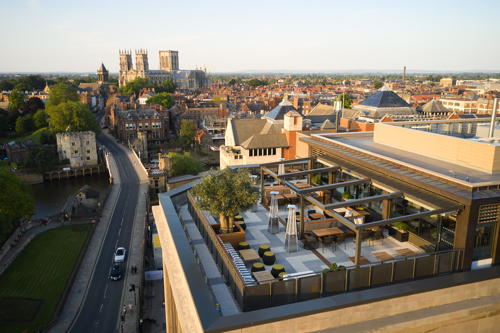
Malmaison York is at Toft Green, which puts it within walking distance of everything this article covers and removes any need to think about transport. The rooms and suites are built for a proper night's sleep after a full day on foot: bold design, king-size beds, rain showers, and enough space to actually decompress.
Chez Mal Brasserie handles the practical end of things well, running from breakfast through to late evening without feeling like it is trying to be two different restaurants at once. When the day is done properly, SORA on the seventh floor is worth the booking: rooftop pan-Asian small plates and cocktails with views over the Minster, and a strong argument for ending the evening here rather than anywhere else in York.
The spa is there for guests who want to build something slower into the middle of the trip rather than treating recovery as an afterthought.
Planning Your Time in York FAQs
Is York worth visiting for a weekend?
Two nights is the right amount of time to get past the surface. The Minster tower, Jorvik, Clifford's Tower, an afternoon on Fossgate, and an evening at SORA cover a great deal of ground without feeling rushed. A third day opens up Bishopthorpe Road, the quieter wall sections, and whatever the city throws up when you stop following a list.
Does York have good transport links?
York is on the East Coast Main Line with direct services from London King's Cross in under two hours and from Edinburgh in around two and a half. From Manchester, it is just over an hour. Malmaison is under ten minutes on foot from the station.
When is the best time to visit York?
Autumn is the sweet spot: the summer crowds have thinned, the pub and restaurant scene is running well, and the shorter days give the medieval streets an atmosphere that mid-July rarely delivers. January through March is quieter still and underrated for the same reasons.
Is York good for a solo trip?
York works well for solo travel. It is compact enough to navigate without a plan, has a strong cafe culture for slow mornings, and enough characterful independent bars that an evening alone never feels like an afterthought. The Ghost Bus tour is worth considering: a good way to cover a lot of ground and history in one sitting without needing company.
H3: What makes York's pub scene different from other UK cities?
York has an unusually high concentration of pubs in historic buildings within a very small area, which means the architecture and the drink come as a package. Several of the best are underground or hidden behind other businesses entirely, which gives the pub scene a sense of discovery that most UK city centres have long since lost.