
Rethinking the Staycation: Why Cities Still Win

The idea of the staycation has changed. It no longer simply means choosing somewhere nearby over somewhere far away. Increasingly, it means choosing the kind of break that delivers the most enjoyment with the least friction.
Countryside retreats and coastal escapes still dominate the traditional staycation picture, but cities continue to offer something many travellers actually want more: spontaneity, atmosphere, strong food and drink, genuine cultural depth, and far less pressure to turn the trip into a logistical exercise.
For people balancing busy schedules, limited annual leave, and a real desire to make weekends count, a short city break often feels more achievable and more rewarding than a longer, more heavily planned trip. The return on effort tends to be higher, and the bar to actually booking is lower.
Malmaison is a natural expression of this kind of escape. Central locations, buildings with real character, design-led rooms, lively bars and brasseries, and a sense that the stay is genuinely part of the weekend rather than somewhere functional to sleep.
This article looks at what a staycation means now, why cities continue to make sense as short-break destinations, what travellers are actually looking for, and why a hotel with personality changes the whole experience.
What a staycation means now
The meaning of a staycation has broadened considerably over recent years. It is less about strict definitions and more about the kind of escape people are genuinely looking for: something easy to reach, simple to organise, and distinct enough to actually feel like a break from the everyday.
More than simply staying local
The term has shifted from meaning "holidaying at home" to covering a wider spectrum of domestic travel, particularly short breaks that are easy to reach and uncomplicated to enjoy. For many people, the appeal is not proximity alone but simplicity. What is a staycation in practice? It is a break that strips away the more admin-heavy parts of travel while still creating a genuine change of scene. No lengthy check-in queues, no transfers, no days lost to getting there and back. Just arrival, and then the break itself.
That is a meaningfully different kind of trip to the traditional holiday, and for a lot of people it is becoming the more appealing one.
Why short breaks feel more valuable than ever
Modern travel habits increasingly favour frequency and flexibility over one major annual trip. A two-night reset can feel more realistic, and often more rewarding, than waiting several months for a longer holiday to come around.
What people tend to want is a break that fits around real life: a straightforward train journey, no airport fatigue, no wasted travel time, and enough going on that the weekend still feels full. Short staycation breaks deliver that combination reliably, which is a large part of why they have become such a consistent choice for UK travellers.
Why cities make such strong staycation destinations
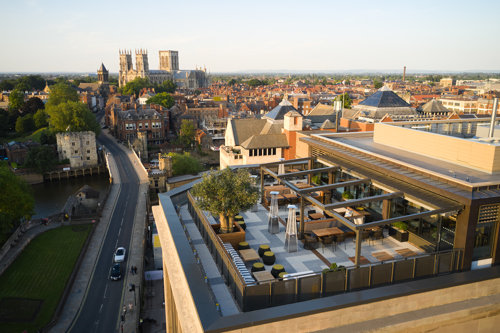
Cities are well suited to short breaks in ways that other kinds of destinations are not. They offer variety, convenience, and atmosphere within a compressed timeframe, and they tend to absorb a wide range of interests and paces without requiring much upfront planning. That combination is hard to replicate elsewhere, particularly when time is limited.
Maximum experience, minimum travel friction
City breaks are efficient in the best sense. You can travel in the morning and still have most of the day ahead of you, rather than losing a significant portion of the trip to complicated logistics. UK cities are particularly well suited to short breaks because so many are well connected by rail and easy to navigate on foot once you arrive. National Rail connections between major cities mean most destinations are reachable in under two hours from a wide range of starting points, which matters considerably when the break itself is only two nights.
When time is limited, ease becomes a genuine part of the appeal rather than just a secondary consideration.
Cities let you shape the break as you go
City breaks offer a kind of flexibility that most other break formats cannot match. You can build a weekend around galleries, shopping, cocktails, late breakfasts, live music, or simply moving slowly between good places to eat and drink. The plan can shift with mood, energy, or appetite, and the city tends to accommodate that without difficulty.
Contrast that with more fixed-format breaks, where weather, limited transport, or restricted options can shape the whole trip regardless of how you feel. Cities allow for a more responsive kind of escape, which is exactly what a lot of people are looking for. Less itinerary, more possibility.
What people actually want from a weekend staycation
Most people searching for weekend staycation ideas are not looking for a complicated experience. They are looking for the feeling of being elsewhere, without the parts that make travel feel like work. A change of pace, a change of surroundings, and a couple of days that feel genuinely different from the rest of the week.
A real change of scene without the hassle
The psychological shift that comes from being in a different place is most of what people are after. Not a new continent, just a different set of streets, a different view from the window, and a few days free from the ordinary rhythm of the week.
A well-chosen city hotel creates that shift quickly. You arrive, drop your bag, and the weekend begins almost immediately. On a short break, where you stay shapes the mood of the whole trip more than it might on a longer holiday. The hotel is not a neutral backdrop. It is part of what makes the escape feel distinct.
Food, atmosphere, and somewhere with character
When the trip is compact, the hotel experience matters more because there is less room for a generic base to be absorbed into a wider experience. A room with mood, a bar people actually want to spend time in, and a brasserie that feels genuinely connected to the city all add real weight to the stay.
This is where design-led hotels stand apart from more functional alternatives. Bold interiors, social energy, urban locations, and food and drink spaces that are destinations in their own right rather than afterthoughts: those qualities change the whole character of a short break and give the weekend more shape and memory.
Why city hotels are central to the staycation experience
On a short trip, where you stay has a disproportionate influence on how the whole break feels. A strong base does not just provide comfort. It actively improves the experience around it, and the difference between a hotel that contributes to the weekend and one that simply facilitates it is something guests tend to feel immediately on arrival.
The best weekends have a strong base
A central, comfortable hotel designed with genuine personality means the whole weekend runs differently. You are more likely to drop back in between plans, stay for another drink, linger over breakfast, or decide not to leave at all for part of the evening. That is one of the clearest differences between a purely functional hotel and one that actively contributes to the trip. The former disappears into the background. The latter becomes part of what the break was actually like.
When the bar and restaurant are part of the reason you booked
The strongest city hotels do not treat food and drink as secondary. They understand that for many guests, cocktails before dinner, breakfast the next morning, or an unplanned late-night bite are core parts of the break itself rather than optional extras.
A hotel bar or brasserie with genuine atmosphere changes the rhythm of a short stay and gives the weekend more natural shape. Malmaison's Chez Mal Brasserie is built around exactly that logic: lively, confident, urban, and designed for both guests and locals. It is the kind of space that makes staying in for part of the evening feel like an active choice rather than a compromise. You can find out more about the full Malmaison experience here.
What Malmaison brings to a city staycation
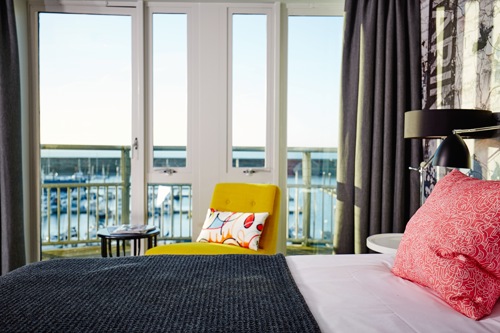
Malmaison is a strong example of the kind of hotel that makes a luxury staycation UK travellers are looking for feel distinctive rather than interchangeable. The difference tends to come through in the details: location, design, food and drink, and a sense that the whole stay has been considered rather than assembled generically.
Design-led stays in city-centre locations
There is real appeal in staying somewhere that feels rooted in the city rather than sealed off from it. Malmaison's locations across the UK are often in repurposed buildings with genuine architectural character, which makes the hotel feel connected to the place around it rather than interchangeable with a hotel anywhere else.
For travellers who want to step straight into the city, whether that means shopping districts, cultural venues, restaurants, or nightlife within easy reach, that positioning matters. It also means arriving feels immediately like the start of the weekend rather than just the end of a journey. It is worth looking at current offers when planning a stay.
Rooms designed for more than just sleeping
On a staycation, the room often plays a bigger role because guests are using the hotel as part of the experience rather than passing through it between activities. King-size beds, strong showers, good lighting, in-room dining, and interiors with mood and texture rather than bland neutrality all contribute to how the break actually feels. These are the kinds of details Malmaison builds its rooms around, and on a short stay they make a genuine difference.
A break that can be as social or as slow as you want
The best staycations do not require a fixed format, and Malmaison works for different versions of the same weekend. Drinks and dinner downstairs, a theatre trip and cocktails after, a lie-in followed by a long breakfast, or simply closing the door and committing fully to the room. That range is part of the appeal. The hotel does not ask guests to be on any particular kind of break. It just provides the conditions for a good one.
How to plan a better city staycation
City staycations do not require much planning, which is partly the point. But a few straightforward decisions tend to make the difference between a break that feels genuinely restorative and one that simply passes pleasantly. Getting those details right before you book is usually worth a few minutes of thought.
Pick the city based on mood, not just distance
Think about the kind of weekend you actually want before choosing where to go. Some cities lend themselves naturally to shopping and restaurants. Others reward gallery-going, architecture, nightlife, or live events. Matching the destination to the mood tends to make the break feel more intentional without requiring any additional effort once you arrive.
Book the hotel as part of the experience
On a short break, the hotel is not an afterthought. A central location, a strong food and drink offer, and a room with genuine comfort can make the difference between a functional trip and one that feels properly restorative. It is worth checking whether the hotel has its own bar, restaurant, and late breakfast options, and whether any current offers make a one- or two-night stay more worthwhile. Joining Club Mal is also worth considering if you are likely to return, as it tends to add genuine value across stays.
Leave enough space in the itinerary
One of the main advantages of a city staycation is freedom, and overplanning tends to work against it. A good hotel, a few well-chosen reservations, and enough time to wander between them usually makes for a better weekend than trying to account for every hour. Cities reward a looser approach, and the best breaks tend to be the ones with room in them for something unplanned.
Staycations in the UK FAQs
What makes a city staycation feel different from a day trip?
A city staycation gives you time to settle into the place rather than simply pass through it. Instead of rushing to fit everything into a few hours, you can have dinner, stay out later, sleep well, and pick things up again the next morning. That extra time changes the pace of the experience and makes the break feel more distinct from everyday life.
Are city staycations only worth it for couples?
Not at all. City staycations work well for couples, but they also suit solo travellers, friends planning a weekend away, and anyone looking for a change of scene without committing to a longer trip. The appeal is really about flexibility, good surroundings, and having enough to do at your own pace.
What should you look for in a hotel for a city staycation?
The best city staycation hotels usually combine a central location with genuine comfort and a sense of atmosphere. Good food and drink on site, a room that feels considered rather than generic, and easy access to restaurants, culture, or nightlife all make a short break feel more complete. On a shorter trip, those details tend to matter more because the hotel plays a bigger role in the overall experience.
Is one night enough for a city staycation?
It can be, especially if the journey is straightforward and the hotel is well located. One night is often enough to create a change of pace, enjoy a good meal, and spend time in a different setting. Two nights usually gives more room to switch off properly, but even a single overnight stay can feel like a real break when the trip is planned well.
When is the best time to book a city staycation in the UK?
That depends on the kind of break you want. Midweek stays can feel quieter and more relaxed, while weekends tend to offer more atmosphere, events, and energy in the city. Booking in advance can help with availability and value, especially around bank holidays, major events, and peak seasonal periods.